

Kaijie Sports
Basketball SGXS-2051
Classification:

E-Mail:
If you have your own logo, sub-logo, we can design the corresponding mold, make logo labels, and heat transfer to the leather, make a concave three-dimensional icon.
If you do not have your own logo, we can authorize you to sell products with the "SIANGON" trademark.
There is some costs for making molds for the custom logo. But don't worry, in your subsequent order, we will return the same amount of products to you.
TPU:This leather basketball is the cheapest, it is suitable for daily entertainment, the texture is a little hard, not suitable for professional training.
PU:Softer than TPU, feel comfortable, wear and durable, indoor and outdoor. It is suitable for players who have certain requirements for basketball but don't want to spend too much money.
Hygroscopic PU:The surface of PU leather has been improved, and the tiny pores on the surface can absorb sweat and increase the sticky feel, the controllability is excellent and exceeds all other kinds of materials.Suitable for indoor and outdoor, wear-resistant and durable, used as training, entertainment, gifts, professional competition of the first choice.
Microfiber:Microfiber material surface delicate, cowhide leather feel, and the price is more expensive. It is mainly suitable for indoor basketball games.
Bladder Material
(1)Rubber:Ordinary rubber liner, suitable for ordinary players who are more sensitive to price.
(2)Butyl Rubber:Butyl liner is the most cost-effective, and it is matched with hygroscopic PU to make a basketball comparable to professional competition, and the price is not too expensive. Whether the product quality, durability, or hands feeling, it is excellent
(3)Foaming Rubber:The rebound of the foamed rubber liner is flawless and perfect, and the force is evenly distributed at every point.
We recommend that you contact customer service personnel, we will be based on years of product development and market feedback, to give you the most suitable material collocation scheme.
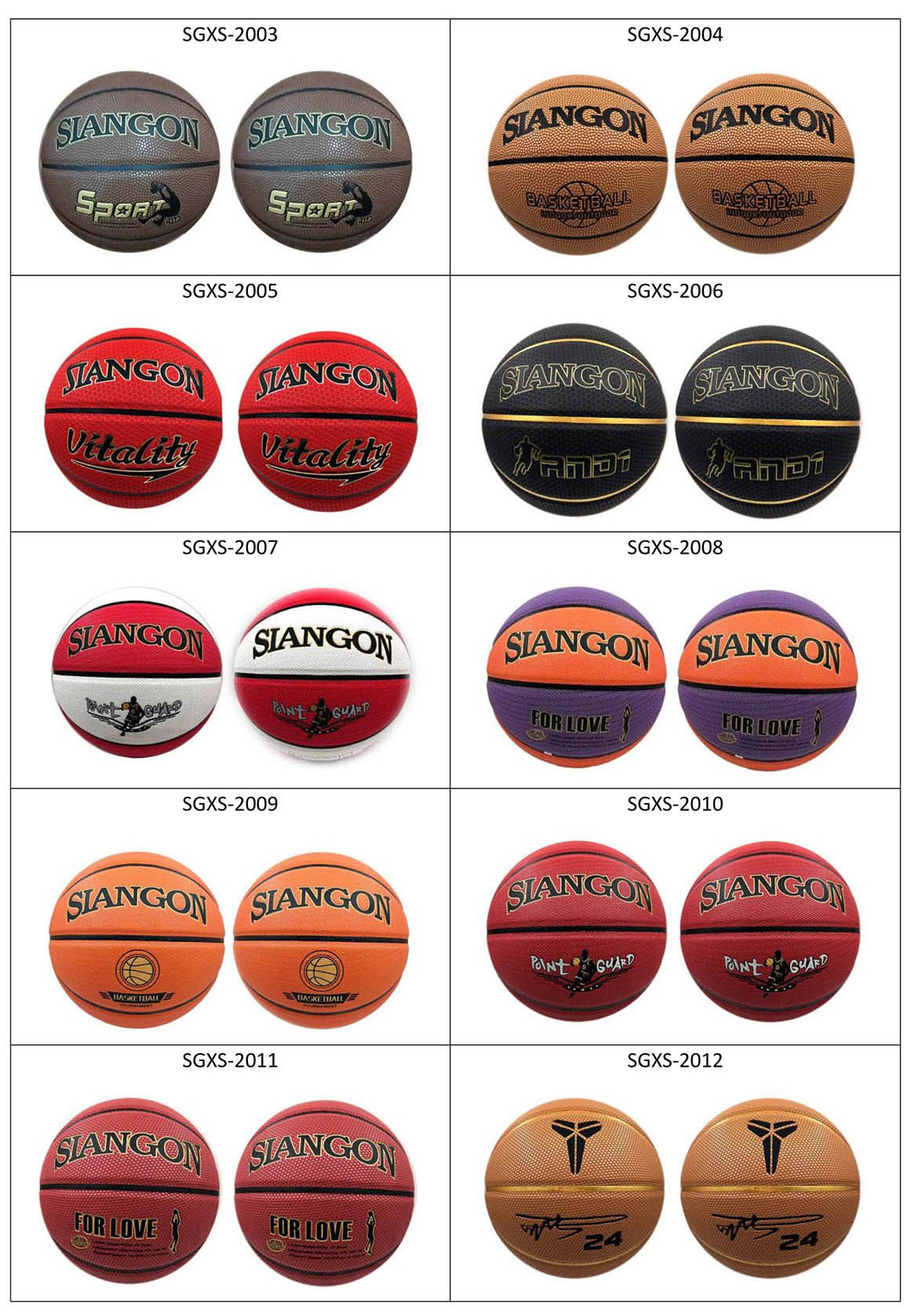
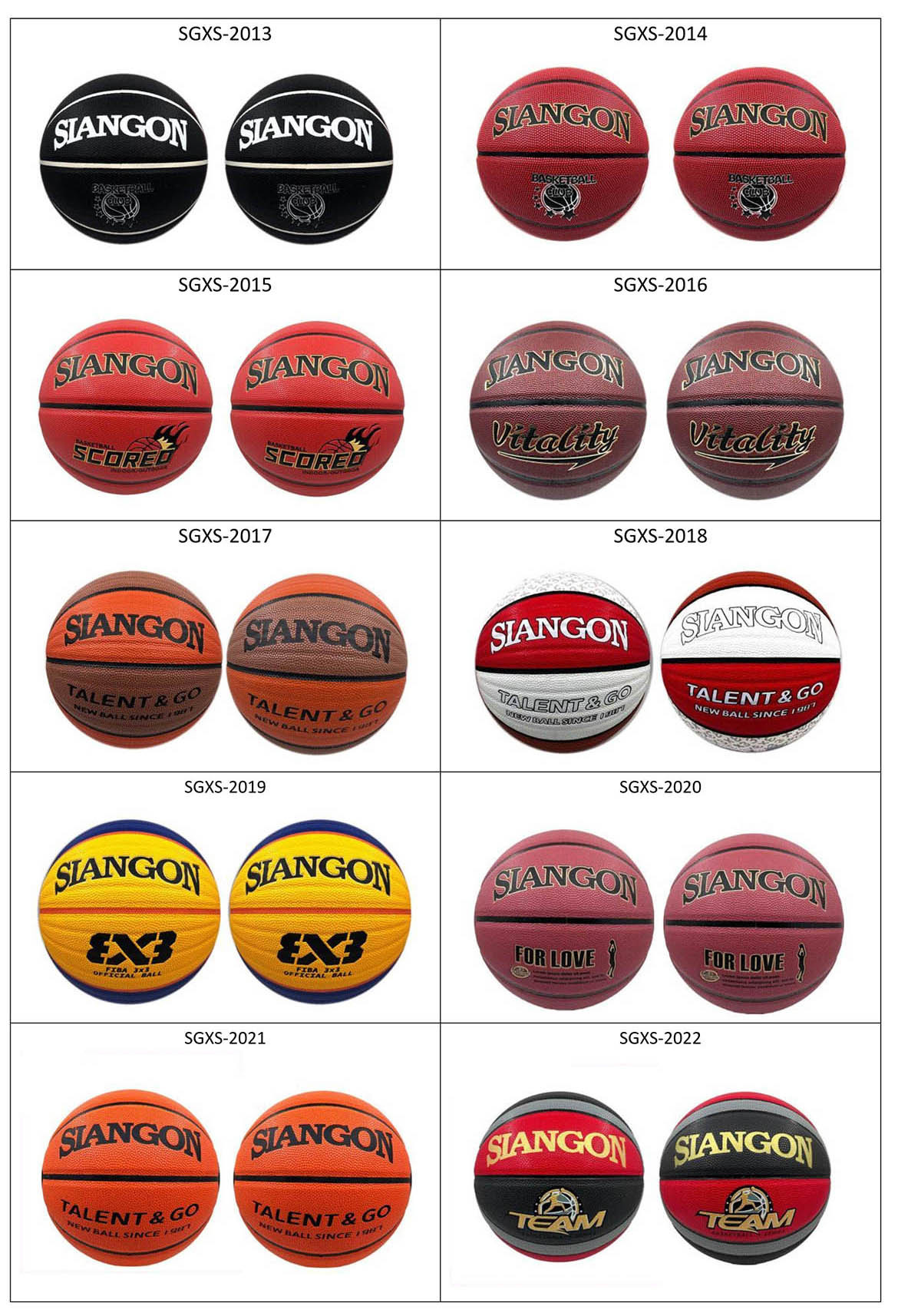
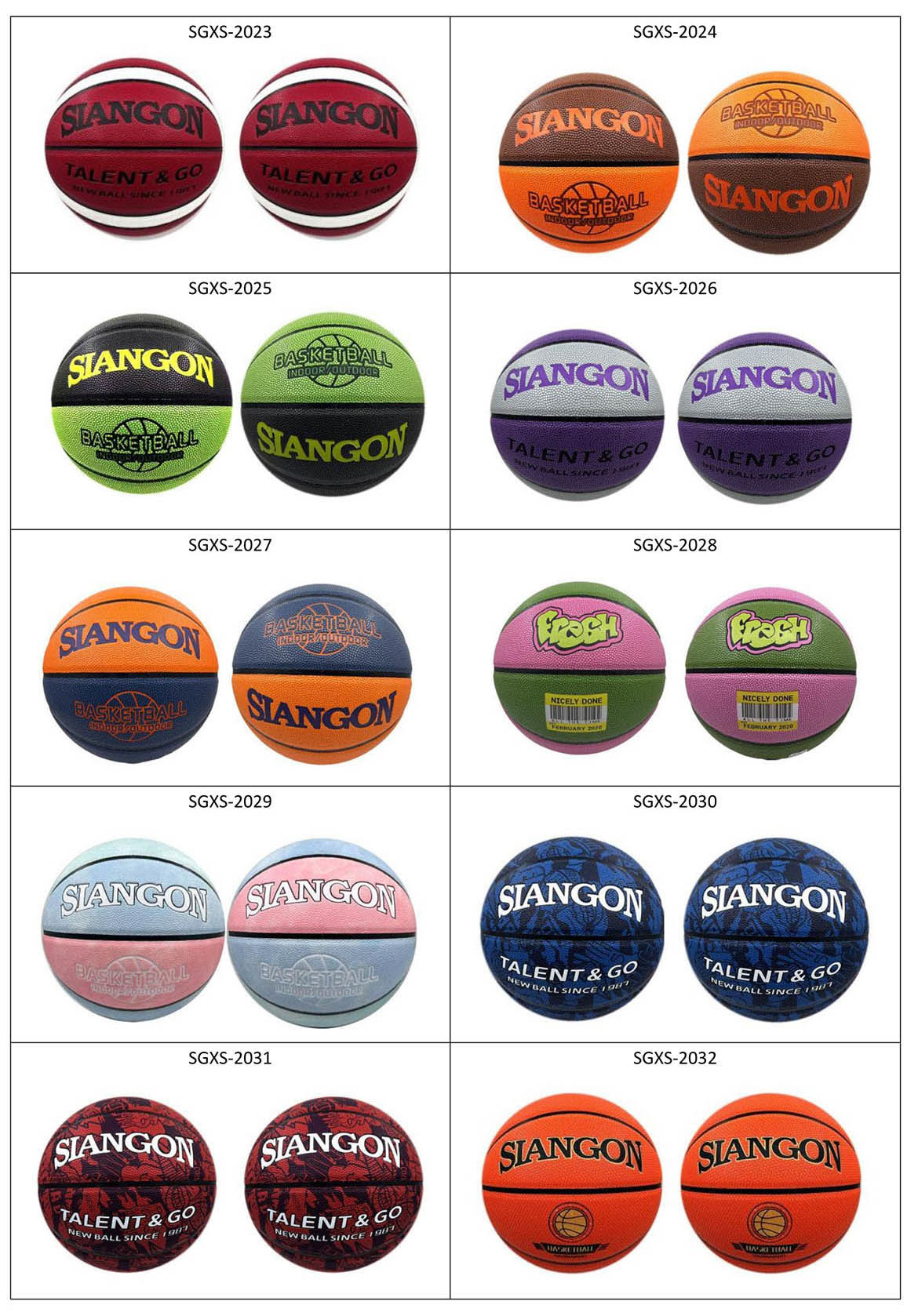
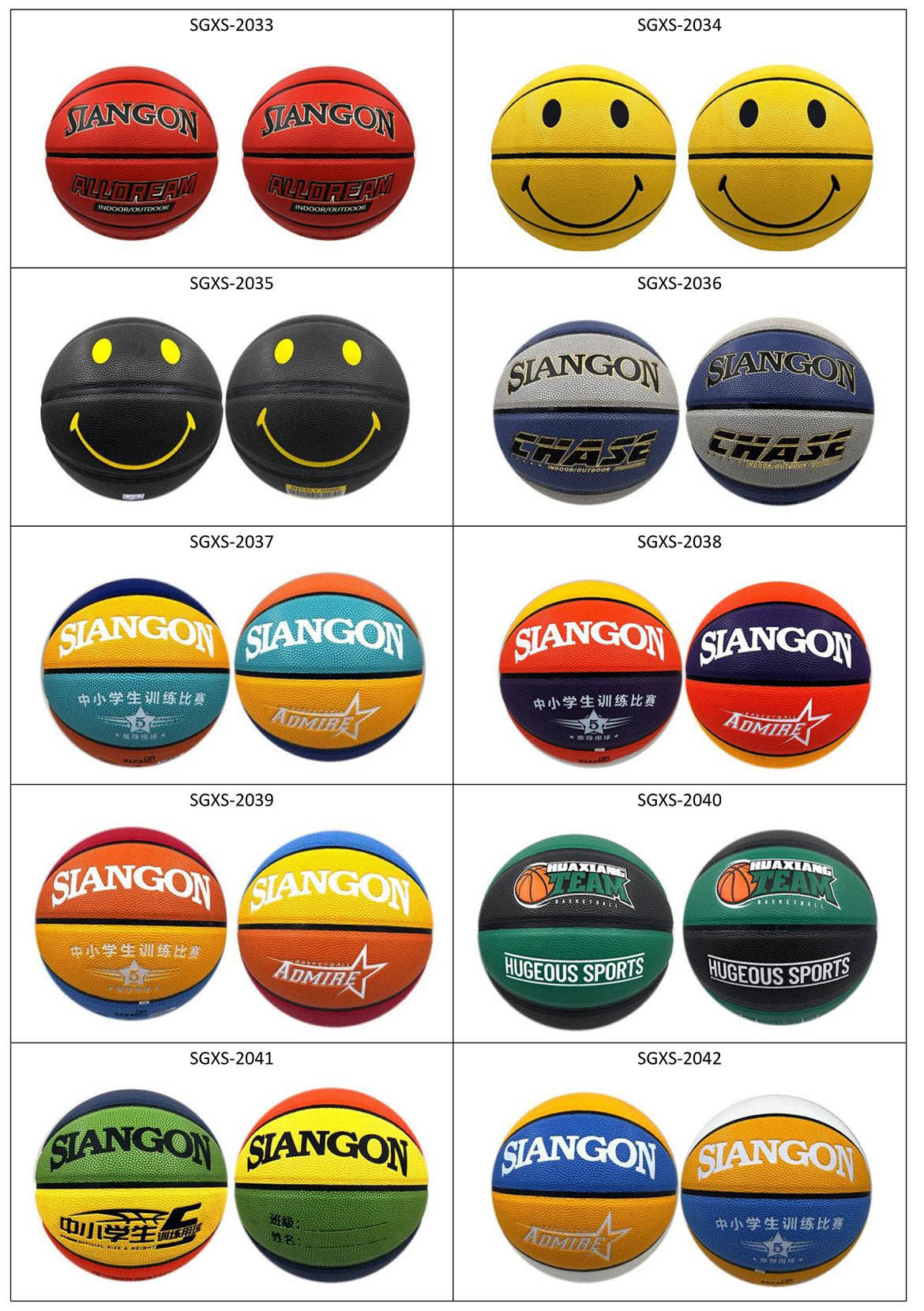
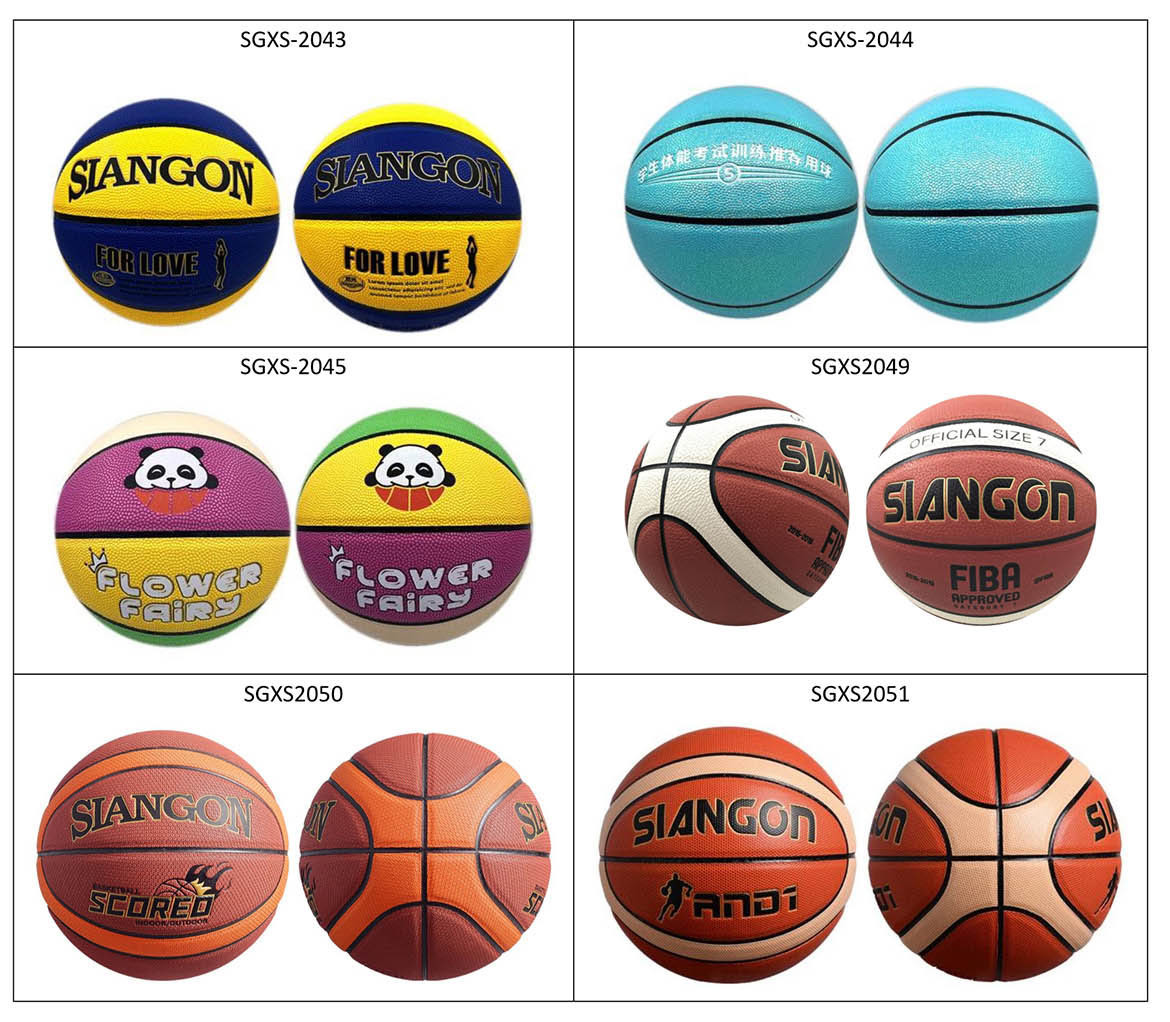
Surface pattern and color:You can choose your favorite pattern and color from the product list below, or you can contact our customer service staff for more options.
MOQ: ≥1 piece can be customized,Cross-border shipping cost is a cost that cannot be avoided, and it is recommended that you increase the number of customized products to ensure a better selling price advantage
Delivery Lead Time:After you sign the contract and pay an advance payment (30%), we will start to make your own logo label, and the production of the product is already in the assembly line. The daily production capacity is about 3000 units. When the production is completed, we will inflate the basketball and maintain the air pressure for not less than 48 hours. After 48 hours, the qualified high quality basketball will be shipped after you pay the final payment.
Payment:Both T/T and LC are acceptable.We welcome you to pay through credit protection order in Alibaba International Station, which is the most secure way for you.

Women’s basketball has grown into a powerful and influential part of the global sports landscape, representing not only athletic excellence but also progress in gender equality, social recognition, and professional opportunity. Over the past decades, the sport has evolved from a largely overlooked activity into a highly competitive and widely respected discipline, inspiring millions of athletes and fans around the world. From grassroots programs to elite professional leagues, women’s basketball continues to shape modern sports culture and redefine what is possible for female athletes.
At the foundation of women’s basketball is a strong emphasis on skill, strategy, and teamwork. The game highlights precise ball handling, accurate shooting, intelligent movement, and coordinated defense. Many fans and analysts recognize that women’s basketball often showcases a high level of tactical discipline and fundamental execution, making it both engaging and educational to watch. Coaches place significant focus on fundamentals, creating a style of play that values efficiency, communication, and collective effort.
Participation in women’s basketball provides significant physical and mental health benefits. Regular training improves cardiovascular fitness, strength, agility, and coordination, while also supporting long-term bone health. Mentally, the sport builds confidence, discipline, and resilience. Athletes learn to manage pressure, overcome setbacks, and maintain focus during intense competition. These qualities extend beyond the court, positively influencing academic performance, leadership skills, and personal development.
The rise of organized women’s basketball programs at schools and universities has played a crucial role in the sport’s development. Educational institutions around the world now offer structured training, competitive leagues, and scholarship opportunities for female players. These programs not only nurture athletic talent but also empower young women by promoting leadership, teamwork, and self-belief. For many athletes, basketball becomes a pathway to higher education and broader career opportunities.
Professional women’s basketball has also experienced remarkable growth. Leagues such as the WNBA and various international competitions have increased their visibility, media coverage, and fan engagement. Professional players have become role models, demonstrating dedication, professionalism, and excellence. Their influence extends beyond sports, as many athletes actively advocate for social causes, equality, and community development, using their platforms to inspire positive change.
Media exposure and digital platforms have further accelerated the popularity of women’s basketball. Live broadcasts, social media, and online streaming services allow fans to follow games, players, and teams more closely than ever before. This increased visibility has helped challenge outdated stereotypes and highlight the excitement, competitiveness, and skill level of the women’s game. As a result, women’s basketball is attracting a new generation of fans and participants worldwide.
Despite its progress, women’s basketball continues to face challenges, including disparities in funding, sponsorship, and media attention compared to men’s sports. However, ongoing advocacy, policy changes, and growing public support are driving meaningful improvements. Organizations, sponsors, and governing bodies are increasingly recognizing the value and potential of women’s basketball, investing in infrastructure, marketing, and athlete development.
Grassroots initiatives remain essential to the future of women’s basketball. Community programs, youth leagues, and school partnerships help introduce the sport to girls at an early age, fostering a love for the game and encouraging lifelong participation. These initiatives create inclusive environments where young athletes can develop skills, build confidence, and form strong social connections through sport.
In conclusion, women’s basketball represents far more than competition on the court. It is a symbol of empowerment, equality, and progress, offering athletes opportunities to excel physically, mentally, and socially. As the sport continues to grow and gain recognition, women’s basketball will play an increasingly important role in shaping the future of global sports. Through continued investment, visibility, and support, the game will inspire generations of women and girls to pursue their passion, challenge limitations, and achieve excellence both in basketball and in life.
Women’s basketball has experienced significant growth over the past few decades, evolving from a niche sport into a globally recognized and highly competitive field. The game, played professionally, collegiately, and recreationally, not only showcases athletic skill but also serves as a platform for promoting gender equality, empowering female athletes, and inspiring young generations to engage in sports. With international tournaments, professional leagues, and increased media coverage, women’s basketball has grown in popularity, though challenges remain in achieving full recognition and equality with men’s basketball.
The origins of women’s basketball date back to 1892, just one year after Dr. James Naismith invented the sport for men. Initially introduced in schools and colleges as a physical activity to promote health, it quickly gained traction as a competitive sport for women. Over time, rules were adapted to accommodate perceptions of female physical capability, such as smaller courts and lower baskets, though these changes have largely been phased out in modern competitive play. Today, women’s basketball mirrors men’s basketball in rules, game structure, and athletic intensity, providing a high-level competitive experience for athletes and spectators alike.
At the professional level, women’s basketball has developed several premier leagues worldwide. The Women’s National Basketball Association (WNBA) in the United States is one of the most prominent, attracting top talent from across the globe. Established in 1996, the WNBA has played a pivotal role in elevating the visibility of women’s basketball, offering a platform for elite female athletes to demonstrate skill, strategy, and athleticism at the highest level. In Europe, Asia, and Australia, professional women’s leagues similarly provide competitive opportunities and help nurture local talent. These leagues have also fostered international competitions, such as the FIBA Women’s Basketball World Cup and the Olympics, which further elevate the sport’s profile and inspire participation globally.
Collegiate women’s basketball also plays a critical role in developing talent and promoting the sport. In the United States, the National Collegiate Athletic Association (NCAA) women’s basketball tournaments, especially March Madness, generate significant media attention, fan engagement, and financial support for women’s programs. College leagues act as pipelines for professional leagues, ensuring a steady stream of trained, skilled athletes who can compete at elite levels. Internationally, university-level competitions similarly provide exposure and developmental opportunities for young female athletes.
Media coverage and sponsorship have been crucial to the growth and sustainability of women’s basketball. Television broadcasts, online streaming platforms, and social media have amplified visibility, allowing fans to follow games, celebrate athletes, and engage with the sport on a global scale. Sponsorship deals, while historically smaller compared to men’s leagues, have gradually increased, enabling teams to invest in training, facilities, and community outreach programs. Prominent female athletes such as Sue Bird, Diana Taurasi, Breanna Stewart, and Elena Delle Donne serve not only as role models but also as ambassadors for women’s basketball, using their platform to advocate for gender equity in sports and inspire the next generation.
Despite these successes, women’s basketball faces ongoing challenges. Pay disparities, lower media coverage compared to men’s leagues, and limited access to high-quality facilities continue to hinder full recognition and growth. Addressing these issues requires concerted efforts from sports governing bodies, media organizations, sponsors, and society at large. Initiatives such as increasing broadcast rights, promoting youth programs, investing in facilities, and supporting grassroots leagues can help reduce barriers and expand opportunities for female athletes. Additionally, highlighting stories of perseverance, talent, and leadership within women’s basketball can shift public perception and emphasize the sport’s value and excitement.
The impact of women’s basketball extends beyond the court. Participation in the sport encourages physical fitness, teamwork, leadership, and resilience, which are valuable life skills. It also provides a platform to challenge gender stereotypes and inspire social change. Programs that integrate women’s basketball into schools and communities not only foster athletic development but also promote self-confidence, equality, and empowerment among girls and young women. Moreover, international competitions serve as cultural exchanges, highlighting diversity and fostering global connections through sportsmanship and shared passion.
Innovation and technology have also influenced women’s basketball, from analytics and wearable devices to video replay and performance tracking. These tools enable coaches and athletes to optimize strategies, improve training efficiency, and enhance game performance. Social media and digital platforms provide athletes with direct access to fans, allowing personal branding, community engagement, and advocacy. Such advancements contribute to the professionalization and commercialization of women’s basketball, expanding its reach and appeal.
In conclusion, women’s basketball represents more than just a competitive sport; it is a vehicle for empowerment, equality, and societal influence. Its evolution from early school-based games to international professional leagues demonstrates resilience, growth, and increasing recognition. While challenges such as pay equity and media representation persist, the sport’s popularity, impact, and potential continue to rise. Women’s basketball not only entertains and inspires but also fosters leadership, teamwork, and empowerment, making it a critical component of the global sports landscape. Continued investment, support, and advocacy are essential to ensure that women’s basketball reaches its full potential, providing opportunities for athletes worldwide and inspiring generations to embrace sport and its values
Key words:
Basketball
Previous
Next
Previous
Next
Support customization
Manufacturer's source of goods
Our professional sales team is waiting for your consultation.
Products


FAQ
What after-sales service do you provide?
If you develop the product you need, I provide a one-year warranty, but the product damage caused by improper use and maintenance is not covered by the warranty. If you find the products with quality problems after receiving the goods, or the products have just been damaged for a short time, please provide specific pictures, videos and other materials, we will compensate you in your subsequent orders. If you decide to cancel the further cooperation between us, we will send you the compensated products separately.
If my purchase increases, can you give me a discount?
Of course, the larger the order, we will give you a bigger discount, but to ensure the quality of products and after-sales service on the premise. We will not offer unlimited benefits, resulting in uncontrollable product quality and after-sales service.
Which Shipping Methods Could I Choose?
We normally provide our customers FOB price in USD. Door-to-Door (Ship to your shop's address) or CIF price can be provided at customer's request. Shipping port is Qingdao, which is several hours from our factory.
What is your term of delivery?
EXW, FOB, CIF and etc. Other term of delivery is negotiable.
Contact Us
WhatsApp:+8617568021880
Tel:+86-17568021880
E-mail:choyzhang@kaijiesports.com
Address: Foreign trade Processing zone, Jiehu Street, Yinan County, Linyi City, Shandong Province.

Copyright © Shandong Kaijie Sports Goods Co., Ltd.